
Chief Executive,
Western Institute of Technology at Taranaki
CANDIDATE INFORMATION PACK
Scroll down to access everything you need.
Executive Summary
THE OPPORTUNITY
Western Institute of Technology at Taranaki (WITT) is a highly regarded regional institution with a strong reputation for industry engagement, vocational excellence, and community connection. Serving a region undergoing significant economic and workforce transformation, WITT plays a critical role in developing the skills and talent needed to support Taranaki’s future prosperity.
The Chief Executive will have the opportunity to build on WITT’s strong foundation and trusted reputation while ensuring the organisation remains responsive to the evolving needs of learners, employers, iwi, and the wider community. Strong partnerships sit at the heart of WITT’s success, and the Institute is well positioned to strengthen its contribution to key regional sectors including engineering, manufacturing, infrastructure, health, and the energy transition.
Central to the role is a commitment to meaningful partnerships with the entire community. The Chief Executive will foster strong relationships across the region while ensuring WITT continues to deliver high-quality educational outcomes, financial sustainability, and a positive learner experience.
This is an opportunity to lead a highly connected regional institution where visibility, relationships, and community engagement are as important as strategic and operational leadership.
THE ROLE
Reporting to the WITT Council, the Chief Executive is responsible for the overall leadership, performance, and sustainability of the Institute.
The role provides strategic direction across academic quality, financial management, workforce capability, stakeholder engagement, and organisational performance. As the public face of WITT, the Chief Executive will build strong relationships with iwi, industry, employers, government agencies, education partners, staff, learners, and the wider community.
Key priorities include strengthening WITT’s regional impact, ensuring programmes remain aligned to workforce needs, supporting international student growth, maintaining financial sustainability, and fostering a culture of collaboration, innovation, and continuous improvement.
The Chief Executive will lead a capable executive team, provide trusted advice to Council, and represent WITT across regional and national forums.
THE CANDIDATE
WITT seeks an experienced and authentic executive leader who can build trust, foster strong relationships, and deliver sustainable organisational performance in a complex stakeholder environment.
Candidates will bring:
- Proven executive leadership experience with responsibility for strategy, performance, and organisational outcomes.
- Strong relationship-building capability, with the ability to engage effectively with iwi, industry, government, staff, learners, and community stakeholders.
- An open, collaborative leadership style with the ability to bring people along and build alignment across diverse groups.
- High emotional intelligence, sound judgement, and a visible, approachable presence.
- A commitment to transparency and a “no surprises” approach to leadership and communication.
- Strong commercial and financial acumen, with the ability to balance strategic priorities with operational delivery.
- Experience in international education or international student growth and partnerships.
- An understanding of, and ideally connections within, key regional industries, particularly engineering.
- Strong local knowledge, or the ability to quickly establish credibility and meaningful connections within the Taranaki community.
- A genuine commitment to Te Tiriti o Waitangi and demonstrated success building trusted partnerships with Māori.
Above all, WITT seeks a positive, proactive and tenacious leader who can strengthen the Institute’s contribution to the region while maintaining a strong focus on learners, communities, and workforce outcomes.
We invite you to discuss this exceptional leadership opportunity with David Price from the HardyGroup
M. +64 (0)21 0239 2211 | E. dprice@hardygroupintl.com
Western Insitute of Technology at Taranaki
At a Glance – Western Institute of Technology at Taranaki (WITT)
Location: New Plymouth, Taranaki
Campus and Specialist Facilities:
New Plymouth Campus
- Modern teaching and learning facilities
- Engineering and fabrication workshops
- Trades training facilities covering construction, electrical and mechanical disciplines
- Health and nursing simulation laboratories
- Business, information technology, and digital learning suites
- Hospitality and culinary training facilities
- Student support, library, and learning services
Regional and Industry-Based Delivery
- Work-based and industry training partnerships across Taranaki
- Programmes delivered in collaboration with employers, iwi, schools, and community organisations
- Strong connections to the engineering, energy, manufacturing, health, and primary sectors
Regional Role
A trusted regional education provider supporting learner success, workforce capability, and industry development. WITT plays a central role in meeting the current and future skills needs of Taranaki while contributing to the social, cultural, and economic wellbeing of the region.
Regional Context – Taranaki
Taranaki is a vibrant and growing region known for its strong community spirit, entrepreneurial culture, and exceptional natural environment. Centred around New Plymouth and dominated by the iconic maunga, the region offers an enviable lifestyle with easy access to beaches, outdoor recreation, excellent schools, and short commutes.
The regional economy is driven by engineering, energy, manufacturing, infrastructure, agriculture, food production, health, and emerging technology sectors, creating significant opportunities for workforce development and innovation. Strong partnerships between industry, iwi, local government, and education providers underpin the region's continued growth and prosperity.
As Taranaki's leading vocational and applied tertiary education provider, WITT is uniquely positioned to support the region's future workforce needs and contribute to its long-term success.
About Western Institute of Technology at Taranaki
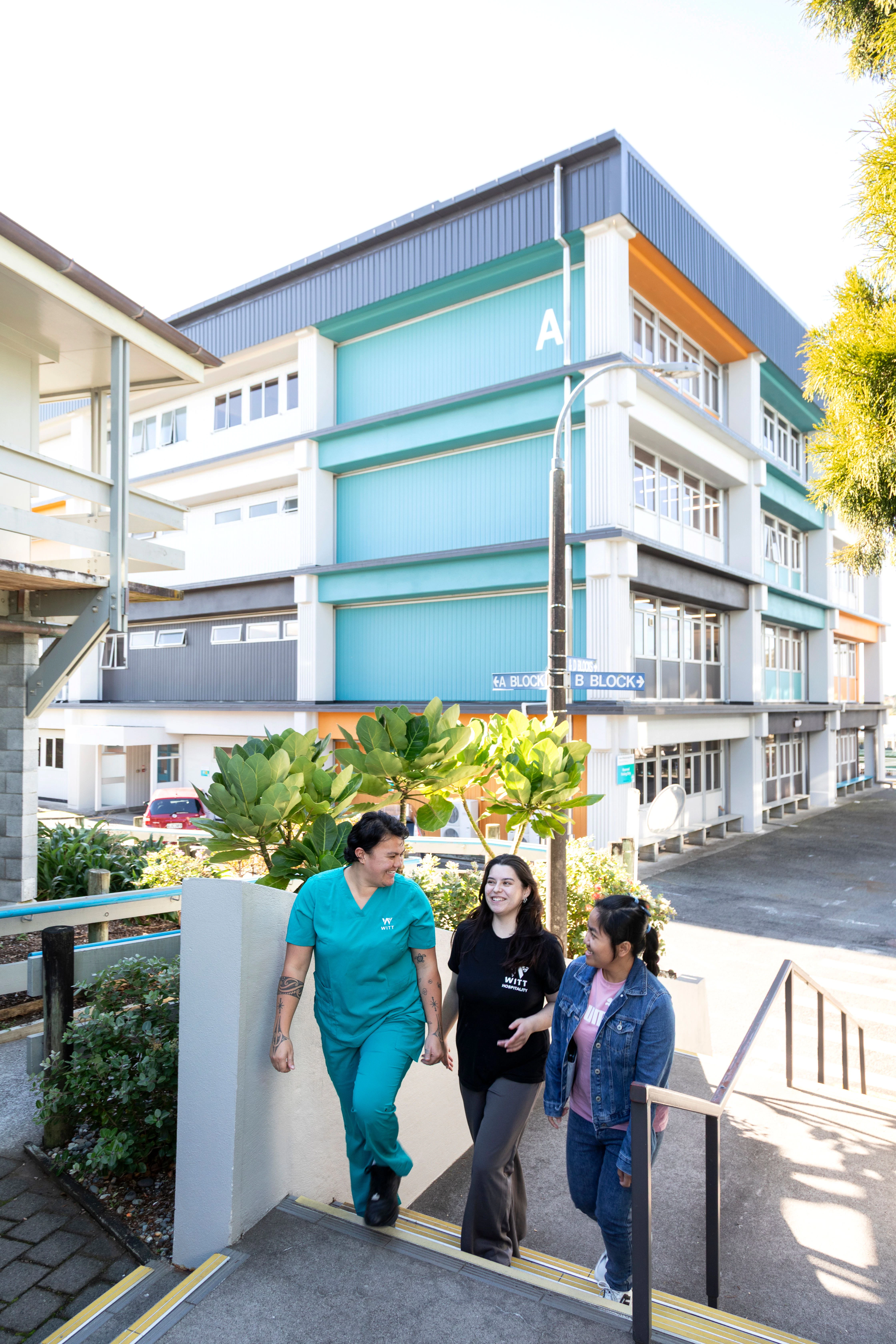
At WITT, the emphasis is on practical, applied education that prepares learners for employment and lifelong success. Programmes are designed in close collaboration with industry to ensure graduates leave with the skills, knowledge, and confidence needed to contribute immediately in the workplace. Comprehensive learner support services help students succeed both academically and personally throughout their educational journey.
For more than 50 years, WITT has played an important role in the social, cultural, and economic development of Taranaki. As the region's leading vocational and applied tertiary education provider, WITT works closely with industry, iwi, employers, schools, community organisations, and local government to develop the workforce capabilities required for the region's continued growth and prosperity.
Through these strong regional connections, learners become part of a network of industry and community partnerships that provide valuable pathways to employment and further opportunities. WITT's academic and professional staff bring extensive real-world experience to their teaching, creating learning experiences that are practical, relevant, and responsive to industry needs.
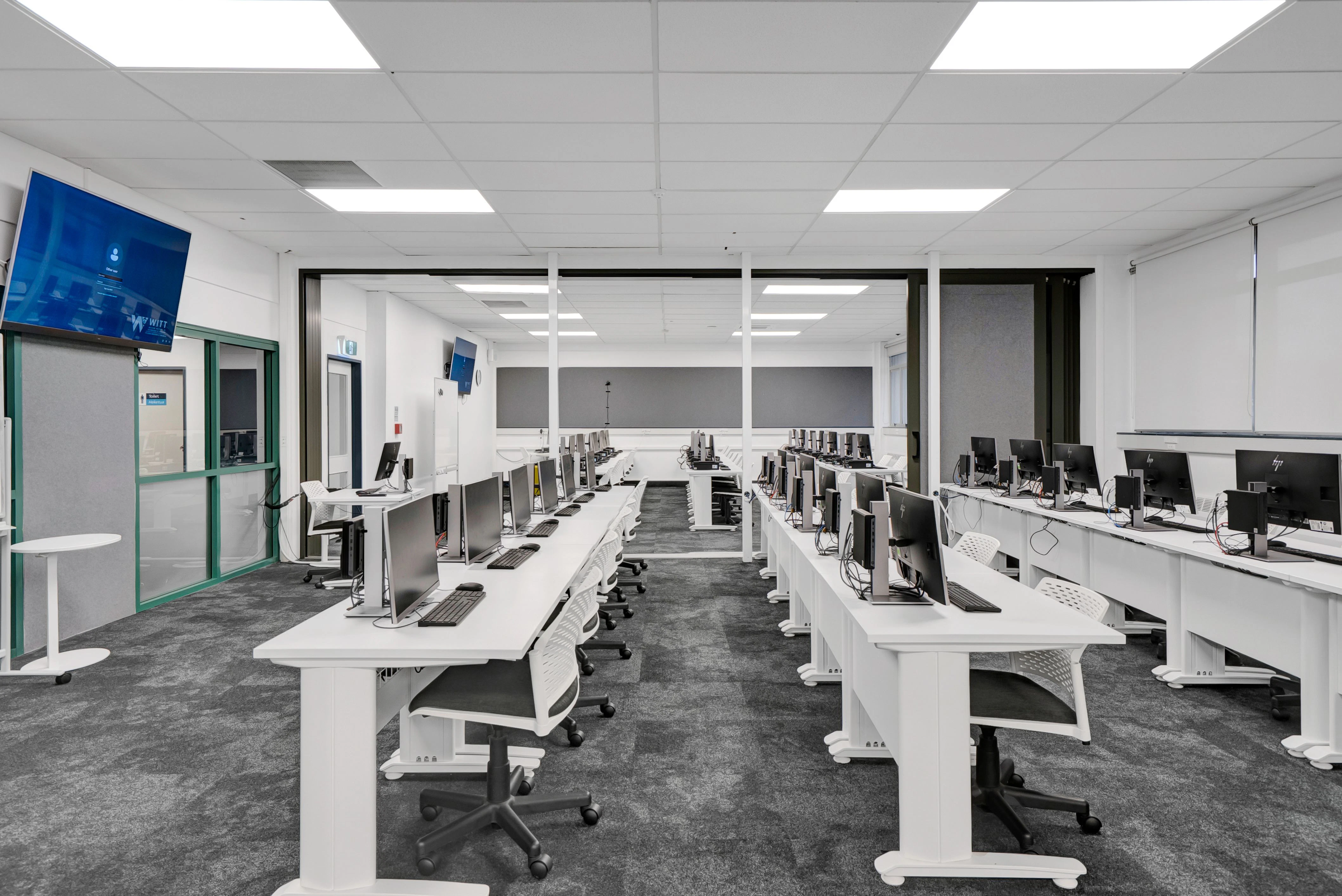
WITT offers a broad range of qualifications, from certificates and diplomas through to degrees, apprenticeships, and industry training programmes across disciplines including engineering, construction, health, business, information technology, hospitality, creative arts, and trades.
The Institute is also committed to fostering meaningful partnerships with Māori and supporting learner success through a commitment to Te Tiriti o Waitangi. This commitment is reflected across its programmes, partnerships, and engagement with communities throughout the region.
Since its establishment in 1972, WITT has been dedicated to supporting the development of Taranaki through high-quality vocational, professional, and applied education, equipping learners with the skills needed to contribute to the future success of the region and beyond.
About Institutes of Technology and Polytechnics
Institutes of Technology and Polytechnics (ITPs) are public tertiary education organisations delivering vocational education and training services to learners across New Zealand. ITPs operate under the Education and Training Act 2020, following the disestablishment of Te Pūkenga, as part of structural reform to reinstate regional leadership, strengthen governance, and return decision-making authority closer to communities and industries.
Each ITP is responsible for delivering a full range of vocational education programmes, including certificate, diploma, and degree-level qualifications, as well as work-based learning, professional training, and industry-specific micro-credentials.
ITPs are large organisations with diverse student cohorts and multi-layered staffing structures, encompassing academic, administrative, support, and executive leadership teams. These institutions manage significant physical assets including buildings, specialist training facilities, and technology infrastructure.
Role Specification
The Chief Executive is accountable for the leadership and management of the ITP, ensuring all operational, financial, academic, and public accountability functions are delivered effectively and sustainably.
The Chief Executive holds overarching responsibility for establishing the new independent ITP to ensure that it meets all statutory requirements and community expectations. This includes ensuring the continued smooth transfer of staff, students, assets, systems, and governance processes while safeguarding education delivery and student wellbeing.
The role requires large-scale organisational leadership: setting strategic direction, overseeing academic governance, managing financial resources, leading multi-layered leadership teams, and building robust stakeholder relationships across industry, government, iwi and Māori partners, and the community. Working collaboratively across the ITP sector is essential.
The Chief Executive must ensure that the ITP operates as a financially sustainable, academically credible, and socially responsive public institution. This includes managing risk, maintaining compliance with all legislative frameworks, and leading organisational culture and people development across a broad and diverse workforce.
The Chief Executive is fully accountable to the ITP Council for all aspects of organisational leadership, performance, and compliance, including delivery against strategic objectives, achievement of key performance indicators, financial sustainability, and academic quality.
This accountability covers statutory obligations, employment relations, asset and infrastructure management, risk management, and equity outcomes. The Chief Executive is responsible to the Council for maintaining robust organisational culture, ensuring good employer practices, and providing free, frank, and timely advice that enables effective governance decision-making.
The Chief Executive will lead WITT through its re-establishment as an independent regional polytechnic, positioning the institution to serve Taranaki’s evolving workforce needs during a period of significant regional economic transition. This is a strategically critical role requiring an executive who can connect vocational education to the region’s economic transformation while maintaining WITT’s core function as an accessible community education provider.
The immediate priorities include establishing WITT’s financial viability as a standalone institution, confirming governance arrangements, and ensuring the programme portfolio is aligned with both current industry demand and emerging regional workforce needs. The energy transition represents both a challenge (declining demand for fossil fuel-related skills) and an opportunity (growing demand for renewable energy, infrastructure, and environmental skills). The Chief Executive must position WITT to respond strategically to this transition.
WITT’s subsidiary, the New Zealand Institute of Highway Technology (NZIHT), provides a nationally significant capability in roading and infrastructure training. The Chief Executive must ensure this subsidiary is well-managed and strategically aligned with both WITT’s broader objectives and national infrastructure investment priorities.
The Taranaki community places a high value on regional identity and local responsiveness. The Chief Executive must be genuinely embedded in the region, building relationships with local industry leaders, iwi partners, community organisations, and regional development agencies. WITT’s role extends beyond education delivery – it is a cornerstone of regional social and economic infrastructure, and the Chief Executive must lead accordingly.
The Chief Executive carries responsibility for establishing and leading the ITP as an independent statutory organisation. The Chief Executive must ensure robust academic governance processes are in place, maintaining programme quality and compliance with NZQA requirements across all delivery sites. This includes managing curriculum development, teaching and learning innovation, assessment, and moderation systems.
Alongside academic responsibilities, the Chief Executive is accountable for financial leadership at a level consistent with large public institutions. This involves overseeing public funding from TEC, managing commercial revenue streams, and maintaining capital asset portfolios, including facilities and infrastructure.
The Chief Executive must lead organisational design, workforce planning, employment relations, and staff wellbeing frameworks, ensuring alignment with the Employment Relations Act 2000 and Crown entity expectations for good employer conduct.
Public accountability is a core focus. The Chief Executive is responsible for transparent reporting to the ITP Council, TEC, Ministers, and other oversight agencies. This includes regular performance reporting on financial health, student outcomes, equity measures, and stakeholder satisfaction.
Community and stakeholder engagement forms a critical part of the role. The role involves direct engagement with industry representatives, regional industries, employers, and community organisations to ensure education delivery meets current and emerging workforce needs.
The Chief Executive is fully accountable to the Council for the overall performance of the organisation, delivering against strategic priorities, operational requirements, and key performance indicators as formally set and reviewed by the Council. This includes ensuring that organisational objectives are met within approved financial parameters and that all statutory obligations are consistently upheld.
Professional Qualifications and Experience:
Candidates ideally would also show experience in leading structural or organisational transitions, including managing asset transfers, workforce integration, and system establishment.
Understanding and experience with New Zealand’s public accountability frameworks, including the Education and Training Act 2020, Crown Entities Act 2004, and Employment Relations Act 2000, is required.
Leadership Capabilities:
The Chief Executive must demonstrate capacity to:
- Lead large-scale organisational strategy while ensuring operational detail and performance are maintained.
- Provide clear advice and support to the ITP Council.
- Manage substantial financial resources, including public funding, revenue generation, and capital asset portfolios.
- Lead complex people structures, managing multiple leadership layers and workforce planning needs.
- Oversee academic programme delivery and compliance at scale.
- Engage effectively with diverse stakeholders, including regional industries, central government agencies, High Schools, community organisations and Māori and iwi partners.
Attributes and Approach:
The Chief Executive must operate with a high level of integrity, public sector discipline, and strategic foresight. A structured, outcome-focused, and evidence-based leadership approach is essential.
This role requires a leader who is equally comfortable with high-level governance engagement and day-to-day organisational management, ensuring that both strategic direction and operational performance meet the highest standards of public service, academic quality, and financial sustainability.
1. Strategic and Organisational Leadership
Demonstrated experience leading a large, complex organisation through significant organisational transformation, establishing strategic direction while maintaining operational performance. Proven ability to lead organisational redesign, system establishment, workforce planning, and change initiatives within a challenging and evolving environment.
2. Financial Stewardship and Commercial Acumen
Proven success in leading the financial management of a substantial organisation, including responsibility for public funding, revenue generation, asset management, and long-term financial sustainability. Demonstrated ability to make sound strategic and commercial decisions that balance organisational viability with public accountability obligations.
3. Governance, Statutory Accountability and Executive Leadership
Demonstrated experience working effectively with governing boards, councils, or equivalent bodies, providing high-quality strategic advice and enabling informed decision-making. Proven understanding of public sector governance, risk management, compliance, and accountability frameworks, with the ability to ensure organisational performance meets legislative, regulatory, and stakeholder expectations.
4. Educational, Workforce and Industry Leadership
Demonstrated ability to lead organisations that deliver complex services aligned to workforce, industry, and community needs. Experience overseeing quality, performance, innovation, and continuous improvement within a regulated environment, while positioning an organisation to respond strategically to changing economic and workforce demands.
5. Stakeholder Engagement, Partnership and Regional Influence
Proven ability to build and sustain productive relationships with diverse stakeholders, including government agencies, industry leaders, employers, community organisations, and Māori partners. Demonstrated success influencing and collaborating across multiple sectors to achieve mutually beneficial outcomes and support regional development objectives.
6. Commitment to Māori Success and Regional Community Outcomes
Demonstrated ability to build authentic and enduring relationships with iwi and Māori stakeholders, supporting equitable outcomes and Māori aspirations. Experience leading organisations in a manner that reflects an understanding of Te Tiriti o Waitangi obligations, community expectations, and the role of public institutions in contributing to social, educational, and economic wellbeing.
Reports to: Chair, Western Institute of Technology at Taranaki Council
Delegations: Executive delegations granted by the WITT Council, including full operational, financial, academic, and strategic authority as governed by the Education and Training Act 2020, the Crown Entities Act 2004, and the Employment Relations Act 2000.
Please discuss with HardyGroup Consultant
Service Location: New Plymouth, Taranaki
The closing date for applications is Monday, 31st August 2026
The reference number to include in your application is H26_5442
Note: Please use the online platform to submit your application. It will not be accepted via email.
If you require assistance in submitting your application online, please get in touch with Executive Search Coordinator, Aldie Zuñiga: M: +61 (0)49 410 1082 / E: azuniga@hardygroupintl.com
Your application must include:
- Cover letter addressed to the Principal Consultant, David Price;
- A written response addressing the key selection criteria; and
- An up to date copy of your Curriculum Vitae.
It Is standard practice for HardyGroup to acknowledge receipt of your application no later than the next business day. We request that if you do not receive the acknowledgement, you contact the search coordinator listed above as soon as possible after the 24-hour business period and arrange to resend your application if necessary.
For a confidential discussion, please contact:

David Price
National Manager, HardyGroup New Zealand
M. +64 (0)21 0239 2211
E. dprice@hardygroupintl.com
Living and working
in Taranaki
Why Taranaki? There's Something for Everyone
With epic mountain trails, miles of coastline and surf, vibrant urban centres, a multitude of gardens and parks, and a major events calendar there’s something for everyone.
It’s easy to achieve an enviable lifestyle, without having to compromise your career, interests or your daily coffee fix.
Add to that the minimal traffic, and clean air and water, and you'll soon see why this safe and stimulating community is the perfect place to call home-whether you're seeking a better lifestyle, starting a family, or simply looking for a change.
And what’s more, the workforce in Taranaki has long enjoyed competitive wages and some of the highest rates of GDP in New Zealand. Couple that with the opportunity to buy a property that big city residents can only dream about, and vast range of free activities and you not only have time to enjoy a great work-life balance you may even be able to afford to take up some new hobbies.
But don’t just take our word for it, check out the stories of those people who have already made the move and hear what they have to say below.
New Plymouth
New Plymouth district spreads from Mōkau in the north to Ōkato in the south and includes the city of New Plymouth, the towns of Waitara, Inglewood, Urenui, Ōkato, and Ōakura, and many other smaller rural communities.
The district is known for its rugged coastline, world class surfing spots, fertile farming land, and major events.
Whether it is enjoying a coffee in one of the many cafes dotted through the district’s towns, swimming at one of the black-sand beaches, wandering along the 13km Coastal Walkway, browsing through the Govett-Brewster Art Gallery/Len Lye Centre, or taking part in a wide range of adventure activities or sports there’s something for everyone.


Stratford
Lying at the heart of Taranaki beneath the eastern slopes of Taranaki Maunga, Shakespearean-themed Stratford is known for its strong farming history and family-friendly community living.
Stratford is a gateway to both the maunga and the Forgotten World Highway - a 150km long driving or cycling journey that explores the ever-changing landscape between Stratford and Taumarunui. The region offers plenty of other attractions too, including Taranaki Pioneer Village, TET King's Theatre (the first movie theatre in the Southern Hemisphere to show 'talkies'), Percy Thomson Art Gallery, a bike park and an indoor swimming pool, not to mention various easy walks to heritage spots and along bush-clad rivers and streams.
Find out more about living in Stratford on the Stratford District Council website.
South Taranaki
South Taranaki is a district of many surprises as the base for Fonterra in the region, the district supports many innovative industries that support the food and fibre sector. The district is known for its safe, caring communities, first class facilities and exciting range of outdoor activities. Within the district you’ll find the towns of Hāwera, Manaia, Kaponga, Ōpunake, Pātea , Eltham, and Waverley.
South Taranaki has a rich and dynamic history as well as a very active arts community. Visitors and locals alike enjoy visiting local must dos such as the kiwi sanctuary Rotokare Scenic Reserve, Ōpunake's surf beach, climbing Hāwera's historic water tower or learning more about the country’s history at Tawhiti Museum and Aotea Utanganui - Museum of South Taranaki.
With all the mod cons of the city, without the hustle and bustle, South Taranaki has it all. Its stunning natural environment, rugged coastline and urban offerings mean you can be on the maunga in the morning, the beach in the afternoon and dining out in a top-class cafe or restaurant in the evening.

Find out more about living in South Taranaki on the South Taranaki District Council Website.
ABOUT US
HardyGroup’s (HG) mission is simple
Find and Grow Great Leaders - and we have been doing exactly that for more than 30 years in public and private health, primary, community and aged care as well as the broader public service.
Our synergistic business model of Executive Search and Recruitment integrated with Executive Leadership and Learning is our unique point of difference.
It ensures our clients can count on us for the lifecycle of their organisations leadership journey and why we are regarded as the leading trans-Tasman partner agency by clients.
When engaging HG you can be confident in a deeply personalised experience and service as nothing matters more to us than relationships and results.